
 English
 Español
 Portugues
 Pусский
 Français
 Deutsch
 한국어
한국어 Italiano
 Svenska
 Polski
 ไทย
ไทย Türk dili
 हिन्दी
 Tiếng Việt
 中文
中文 dansk
dansk қазақ
қазақ বাংলা
বাংলা فارسی
فارسی українська
 беларускі
 Suomalainen
 o'zbek
 Србија
 پښتو
پښتو საქართველოს
 Shqipëria
 Afrikaans
 Kikongo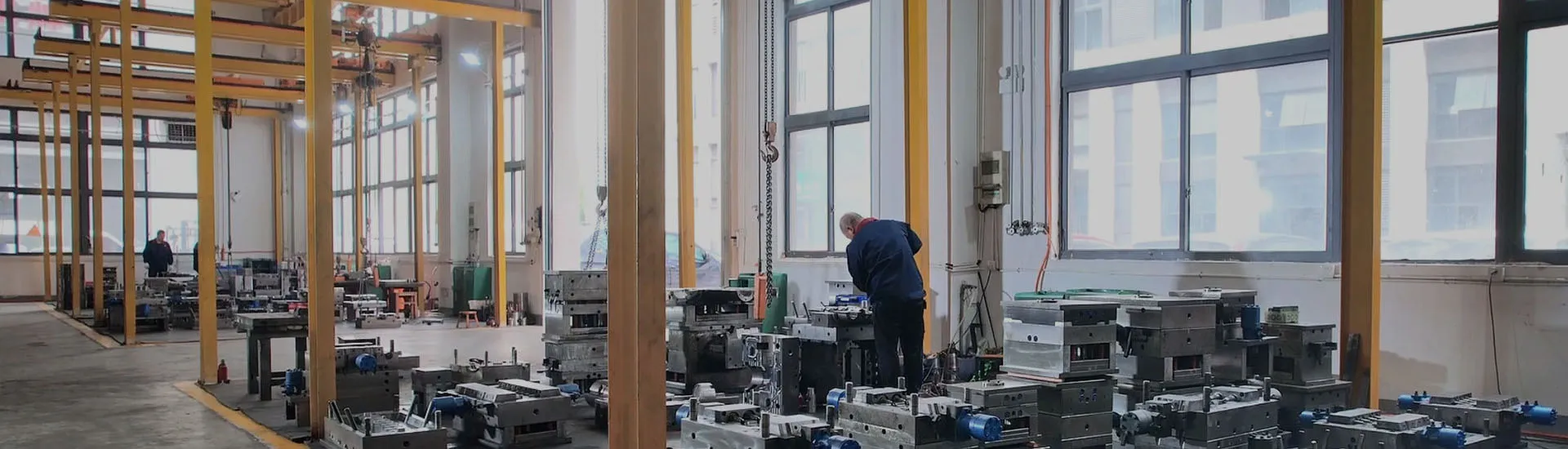
UPVC قالب تركيب الأنابيب ذات المقبس المنخفض
UPVC Reducing Socket Pipe Fitting Mold: Technical Description A UPVC reducing socket pipe fitting mold is a precision-engineered tool designed for manufacturing tapered pipe connectors used in plumbing, drainage, and industrial fluid systems. These fittings enable seamless transitions between pipes of different diameters, ensuring leak-proof connections in UPVC (unplasticized polyvinyl chloride) piping networks. The mold must meet stringent standards for dimensional accuracy, durability, and surface finish to produce high-quality fittings compliant with international specifications (e.g., ISO, ASTM). Design and Structure The mold typically consists of multiple components: 1. Core and Cavity: The core forms the inner diameter (ID) of the fitting, while the cavity shapes the outer diameter (OD). Both are machined from high-grade tool steel (e.g., P20, H13) hardened to withstand UPVC’s abrasive melt flow. 2. Guiding System: Precision guide pins and bushings ensure alignment between mold halves, critical for maintaining concentricity in the tapered socket. 3. Cooling Channels: Strategically placed channels circulate coolant to regulate mold temperature, minimizing cycle time and preventing warpage. 4. Ejection Mechanism: Air vents and ejector pins facilitate smooth demolding of the fitting without surface defects. 5. Sliders or Lifters: For complex geometries (e.g., undercuts), retractable sliders enable mold release. Manufacturing Process 1. Material Selection: UPVC granules are fed into an injection molding machine, heated to 180–210°C, and injected into the mold under high pressure (800–1,500 bar). 2. Molding Cycle: The molten UPVC fills the cavity, cools, and solidifies. Cycle times range from 20–60 seconds, depending on fitting size. 3. Post-Processing: Flash removal, deburring, and quality checks (e.g., dimensional inspection, pressure testing) ensure compliance. Key Features - Tapered Design: The socket’s internal taper (typically 1:6 or 1:10) ensures a tight interference fit with pipes. - Corrosion Resistance: UPVC’s chemical inertness makes the fittings suitable for aggressive fluids. - Smooth Finish: Polished mold surfaces (Ra ≤ 0.8 µm) prevent sticking and improve flow efficiency. Applications Common in residential plumbing, sewage systems, and chemical processing plants, these fittings are valued for their lightweight, cost-effectiveness, and long service life. Quality Assurance Molds undergo rigorous testing, including trial runs and CAD/CAM simulations, to verify dimensional tolerances (±0.05 mm) and pressure resistance (up to 16 bar). Conclusion A well-designed UPVC reducing socket mold ensures consistent production of reliable fittings, balancing precision, efficiency, and durability to meet global piping standards.
نتاج
تصنيف:
-
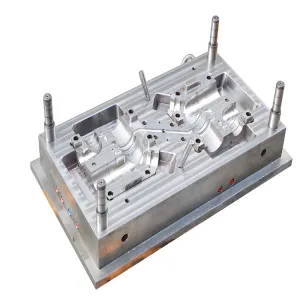
كوع UPVC مع قالب تركيب أنابيب الباب
تصنيفها: قالب تركيب الأنابيب UPVCالمشاهدات: 515عدد:وقت الإصدار: 2025-10-30 21:27:31كوع UPVC مع قالب تركيب أنابيب الباباسم القالب:كوع UPVC مع قالب تركيب أنابيب البابالتجويف: 2 تجاويفحجم القالب: 110 ملمقالب فولاذي: ألمانيا 2316 الصين 2316 أو 4cr13 للتجويف والقلبالبوابة: البوابة المباشرةهيكل القالب: هيكل المحركصلابة النواة/التجويف: HRC 40-45 درجة بعد المعالجة الحرارية بالفراغآلة التشكيل بالحقن: 560 طن تأسست شركة Taizhou Huangyan Hong Jin mould Co., Ltd في عام 2002. نحن محترفون في تصميم وتصنيع قالب تركيب الأنابيب لأكثر من 23 عامًا.ونحن نتطلع إلى التعاون الطويل معكم.فيما يلي المعلومات الرئيسية للرجوع إليها. مشكلة حقن البي في سي والحل1. نقص المواد: غالبًا ما تحدث ظاهرة عدم إمكاني...
أخبار
تصنيف:
-
[Company News]Customer Photo
2025-12-09 21:32:38
حالة
تصنيف:
لا توجد نتائج بحث!
فيديو
تصنيف:
لا توجد نتائج بحث!
تحميل
تصنيف:
لا توجد نتائج بحث!
تجنيد
تصنيف:
لا توجد نتائج بحث!
المنتجات الموصى بها
لا توجد نتائج بحث!




 واتس اب
 هاتف
هاتف